Periodontal Treatment Ventura and the Benefits of Early Intervention

Gum disease rarely announces itself with drama. It usually starts quietly, with a little bleeding when you brush, a faint metallic taste, or gums that seem slightly puffy around one or two teeth. Most people do not call a dentist over that. They tell themselves they brushed too hard, skipped flossing for a few days, or ate something that irritated their mouth. Sometimes that is true. Often, though, those early signs point to periodontal disease, and that is where timing matters.
When patients ask me what makes the biggest difference in gum care outcomes, the answer is not usually a fancy procedure or a miracle product. It is catching the problem early, before the damage moves below the gumline and begins to affect the bone that supports the teeth. That is especially important for adults who have not had a thorough periodontal evaluation in years, people with diabetes, smokers, and anyone who has noticed persistent bad breath or gum recession.
For people searching for Periodontal Treatment Ventura, the most useful thing to understand is that periodontal care is not just about saving gums. It is about protecting the foundation of the entire mouth. Teeth can look white and intact from the outside while the supporting tissue beneath them is slowly breaking down. By the time pain appears, the disease may already be advanced.
Why early gum disease is easy to miss
Many dental problems hurt early. A cracked tooth can throb. A cavity may react to cold. Periodontal disease often behaves differently. In its earliest stage, gingivitis, the gums become inflamed but the bone and deeper supporting structures have not yet been permanently damaged. Bleeding during brushing is common. So is tenderness near the gumline. What makes this stage tricky is that people can still chew normally, sleep normally, and go about their day without much interruption.
That mildness creates delay. I have seen patients put off care for six months because they assumed the bleeding would stop once they switched toothpaste. Others were concerned about cost and hoped the issue would settle on its own. A few simply became used to swollen gums and thought their mouth was naturally sensitive. Meanwhile, plaque and tartar continued to collect below the gumline, where home brushing cannot reach effectively.
Once inflammation persists, the condition can shift from gingivitis to periodontitis. At that point, bacteria and the body’s inflammatory response begin to damage the ligament and bone that hold teeth in place. Gum pockets deepen. Recession can begin. Teeth may feel slightly mobile, though many patients do not notice it until much later.
The distinction matters because gingivitis is typically reversible with professional cleaning and improved home care. Periodontitis is manageable, often very successfully, but the structural loss it causes is not fully reversible in the way many people hope. That is the real argument for early intervention.
What periodontal treatment actually covers
People sometimes hear the phrase periodontal treatment and imagine surgery right away. In practice, treatment exists on a spectrum. The right approach depends on the severity of disease, the shape and depth of the pockets, the patient’s general health, and whether the condition has been stable or progressing.
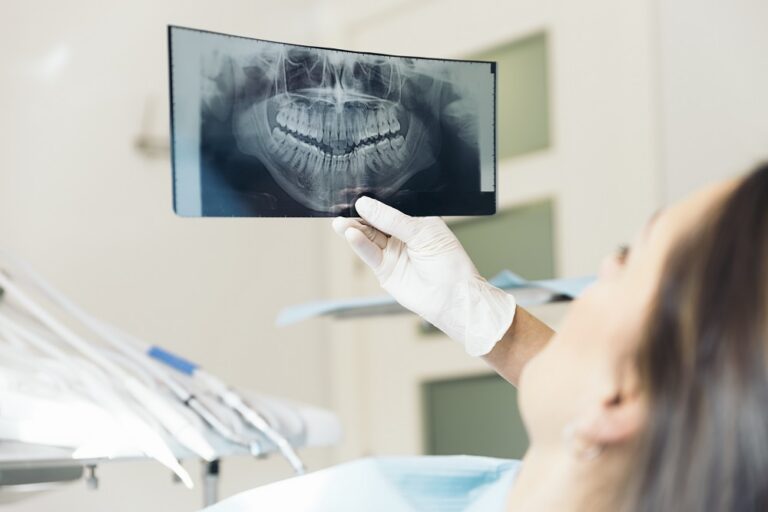
In a Ventura practice setting, periodontal treatment often begins with careful measurement of the gums around each tooth. A dentist or periodontist checks pocket depths, bleeding points, recession, mobility, and radiographic signs of bone loss. This diagnostic phase is more important than many patients realize. Two mouths can look similar from a casual glance and require very different treatment plans.
For early or moderate disease, non surgical periodontal therapy is often the first step. That usually means scaling and root planing, which cleans plaque, tartar, and bacterial toxins from below the gumline and smooths the root surfaces so the gums can reattach more effectively. Patients sometimes hear this described as a deep cleaning, though that phrase can oversimplify what is actually a very targeted therapeutic procedure.
If disease is more advanced, a periodontist may recommend localized antimicrobial therapy, periodontal surgery, pocket reduction procedures, gum grafting for recession, or regenerative techniques where appropriate. Some cases require coordination with restorative treatment if bite forces, missing teeth, or failing dental work are making the periodontal condition worse.
The useful point here is that early treatment tends to be simpler, less invasive, and less expensive than delayed treatment. That pattern holds true in dentistry more often than not.
The practical benefits of acting early
The phrase early intervention can sound vague until you see what it changes in real life. When patients begin care before bone loss becomes significant, the benefits are immediate and long term.
First, treatment is often more conservative. A patient with early gingival inflammation may need a thorough cleaning, focused oral hygiene instruction, and shorter recall intervals. A patient who waits may need quadrant scaling and root planing, periodontal maintenance every three or four months, possible surgical evaluation, and replacement of teeth that eventually become hopeless. The clinical difference is substantial.
Second, the mouth becomes easier to maintain. Inflamed gums bleed more, trap more debris, and create deeper spaces that are harder to clean. Once those pockets are reduced and the tissue is healthier, patients usually find brushing and interdental cleaning less uncomfortable. That matters because comfortable routines are the ones people actually stick with.
Third, early care protects bone. Bone loss around teeth is the part patients cannot see in the mirror, but it is the part that determines long term stability. Saving bone early preserves options later. It can prevent extractions, reduce the need for grafting, and make future restorative work more predictable.
Fourth, breath and taste often improve. Chronic gum inflammation can create a stale odor and unpleasant taste that people notice but rarely connect to periodontal disease. Resolving infection often changes that quickly.
Fifth, early intervention lowers the odds of a complicated cascade. Once a tooth becomes mobile, the bite may shift. Other teeth take on more force. Food packing increases in open spaces. Restorations begin to fail at the margins. One untreated periodontal issue can become several expensive problems over time.
A common Ventura scenario
A fairly typical case involves a patient in their forties or fifties who keeps up with basic cleanings but has not had a comprehensive periodontal evaluation in a while. They come in because one lower front tooth feels “different” or because their hygienist mentioned recession during a routine visit. They are not in pain. They are surprised to learn they have several pockets measuring 5 or 6 millimeters and early horizontal bone loss on X rays.
In that situation, early intervention can change the entire trajectory. With scaling and root planing, better home care, and periodontal maintenance at appropriate intervals, many patients stabilize well. Bleeding drops, pocket depths improve, and teeth remain functional for years. If that same patient waits another three or four years, the picture can be very different. The lower front teeth may begin to drift or loosen. The recession may become more pronounced. Surgery may become necessary where a non surgical approach could once have been enough.
That gap between manageable and complicated is where periodontal treatment earns its value.
The link between gum health and whole body health
Careful clinicians avoid overstating the relationship between periodontal disease and systemic illness, but it would also be a mistake to ignore it. Chronic inflammation in the gums does not exist in isolation. Research has long suggested associations between periodontal disease and conditions such as diabetes, cardiovascular disease, and adverse pregnancy outcomes. The exact mechanisms and degrees of causation are still areas of ongoing study, but the practical takeaway is straightforward. A healthy mouth supports overall health, and uncontrolled gum disease can make general health management harder.
The connection with diabetes is one I discuss often because it shows up in daily practice. Patients with poorly controlled blood sugar may have more inflammation, slower healing, and more severe periodontal breakdown. At the same time, untreated periodontal infection can make glycemic control more difficult. It becomes a two way problem. When those patients receive timely periodontal care and follow through on maintenance, both their dental and medical teams often see better stability.
Smoking creates another major risk factor. Smokers may not bleed as much visibly, which can hide disease severity. Yet they often present with deeper pockets, more bone loss, and less predictable healing. That does not mean treatment is pointless. It means early treatment is even more valuable, because advanced disease in smokers is harder to reverse and maintain.
Signs that should not be brushed off
Patients often ask which symptoms truly justify a periodontal evaluation. There is no single sign that tells the whole story, but several patterns deserve attention. If your gums bleed regularly when brushing or flossing, that is not normal. If your gums look puffy, shiny, or darker red than usual, that matters. If you notice recession, longer looking teeth, chronic bad breath, or a tooth that suddenly traps food between contacts, a periodontal assessment makes sense.
Sometimes the sign is subtle. A patient may say, “This area just feels sore when I chew crusty bread,” or “I keep thinking there is something stuck near that molar.” Those comments may sound minor, but they sometimes correspond to an isolated deep pocket or a site where plaque has remained below the gumline for a long time.
Pain, interestingly, is not a reliable early indicator. Waiting for pain is one of the least effective strategies for preventing periodontal damage.
What a good treatment plan should feel like
Patients tend to do best when the plan is clear, individualized, and measurable. If you are exploring Periodontal Treatment Ventura, look for a provider who explains the condition in concrete terms. You should know your pocket depths, where the active bleeding is, whether bone loss is present, and what the realistic goals of treatment are. Vague reassurance helps no one.
A strong periodontal plan usually includes a baseline exam, radiographs when indicated, discussion of contributing factors, treatment to disrupt the bacterial load, and a maintenance schedule tailored to your risk level. It should also account for habits and anatomy. A patient with tight lower front crowding may need different hygiene tools than a patient with wide embrasures from gum recession. Someone with arthritis may need powered brushes or modified handles. These details sound small, but they determine whether home care is realistic.
Judgment matters here. Not every 4 millimeter pocket needs aggressive intervention, and not every case of recession signals active disease. Some patients have stable recession from past orthodontics or brushing technique rather than ongoing periodontitis. Others have deceptively little recession but significant bone loss hidden beneath inflamed tissue. Good care comes from careful distinction, not one size fits all treatment.
The maintenance phase is where success is protected
One of the most misunderstood parts of periodontal care is what happens after the initial therapy. Patients often feel much better once the bleeding stops and assume they are finished. In reality, periodontal disease is usually managed rather than permanently cured in the simplistic sense people imagine. Bacteria repopulate. Risk factors persist. The mouth changes with age, restorations, medications, and general health.
That is why periodontal maintenance visits matter. These appointments are not the same as standard cleanings for patients with a history of periodontitis. They are designed to monitor pocket depths, remove deposits from areas patients cannot access at home, and catch recurrence before it becomes destructive again. For many patients, three or four month intervals are ideal, at least for a period of time. Others can move to longer intervals once they are stable. That decision should be based on evidence, not convenience alone.
I have seen patients maintain teeth successfully for decades after periodontal treatment because they respected the maintenance phase. I have also seen well done initial treatment fail because follow up became sporadic. The disease did not return overnight. It crept back quietly, exactly the way it started.
Cost, fear, and the real price of delay
It would be unrealistic to discuss early intervention without acknowledging cost and anxiety. Many people delay periodontal care because they are worried about both. They hear the word deep cleaning and picture something painful or financially overwhelming. Sometimes they have had difficult dental experiences in the past. Sometimes they are balancing family expenses and trying to prioritize immediate needs.
Those concerns are legitimate, but it helps to compare them to the cost of postponement. Early treatment often means fewer visits, less complex therapy, and a better chance of keeping the natural teeth with minimal restorative work. Delayed treatment can lead to surgery, extractions, bone grafting, tooth replacement, or repeated repair of work that fails because the supporting tissue remains unhealthy. The financial spread between early and late care can become significant.
Fear tends to shrink once patients understand what treatment actually involves. Modern periodontal therapy is usually well controlled with local anesthesia and thoughtful pacing. Many offices are good at treating anxious patients. The https://www.google.com/maps?cid=6886544599407677320 first step is often just an evaluation and a conversation, not an immediate procedure.
Home care still matters, but it has limits
There is a persistent belief that enough brushing can reverse any gum issue. Good home care is essential, but once tartar has formed below the gumline, a toothbrush cannot remove it. Neither can mouthwash. Water flossers, interdental brushes, and antimicrobial rinses can all support gum health, but they do not replace professional periodontal treatment when disease is established.
That said, the best in office care will not hold if home care remains ineffective. The goal is partnership. Professional treatment reduces the bacterial burden and creates conditions for healing. Daily plaque disruption at home helps keep those gains in place. Small changes are often more sustainable than dramatic ones. Patients do better with a realistic routine they can maintain every day than with an ambitious plan they follow for one week.
Choosing care in Ventura with confidence
Finding the right provider is not only about credentials, though those matter. It is also about communication, thoroughness, and follow through. Patients seeking Periodontal Treatment Ventura should feel comfortable asking how disease severity is assessed, what treatment alternatives exist, how outcomes will be measured, and what maintenance will involve afterward.
A good office will not promise perfection or instant reversal of advanced disease. It will explain priorities clearly. Maybe the first goal is to stop active inflammation. Maybe the second is to stabilize a few high risk teeth. Maybe esthetic concerns such as gum recession are best addressed after infection is controlled. Thoughtful sequencing is a sign of sound care.
If you have been told in the past that your gums were “a little inflamed” but no one showed you numbers, images, or a plan, it is reasonable to ask for a more detailed periodontal evaluation. Patients make better decisions when they understand what is happening beneath the surface.
The case for not waiting
The strongest argument for early intervention is simple. Gum disease tends to progress quietly, but the damage accumulates in real tissue, around real teeth, with real financial and health consequences. When caught early, periodontal treatment can be straightforward and highly effective. When ignored, the same disease becomes more invasive, more expensive, and harder to control.
Healthy gums do more than frame a smile. They anchor every bite you take, every word you speak, and every restorative investment you may already have in your mouth. Protecting that foundation early is one of the more practical decisions a person can make for long term oral health.
If you have noticed bleeding, swelling, recession, or persistent bad breath, that is enough reason to get evaluated. Waiting for pain is rarely a smart strategy with periodontal disease. Timely Periodontal Treatment Ventura can preserve comfort, reduce treatment complexity, and help keep your natural teeth stable for years to come.
Avra Dental
Address: 1708 S Victoria Ave B, Ventura, CA 93003
Phone number: (805) 941-1001
FAQ About Periodontal Treatment Ventura
Can a dentist get rid of periodontal disease?
A dentist or gum specialist (periodontist) cannot fully cure or reverse advanced periodontal disease (periodontitis), but they can successfully stop its progression and manage the infection.
Is periodontitis very serious?
Yes, periodontitis is a very serious, advanced form of gum disease that destroys the bone and tissues supporting your teeth.
How is stage 2 periodontal disease treated?
Stage 2 periodontal disease (early to moderate periodontitis) is primarily treated with non-surgical deep cleaning procedures like scaling and root planing to remove bacteria and tartar below the gumline.